The Federal Commerce Fee is investigating Microsoft in a wide-ranging probe that may look at whether or not the corporate’s enterprise practices have run afoul of antitrust legal guidelines, in accordance with folks conversant in the matter. In current weeks, FTC attorneys have been conducting interviews and organising conferences with Microsoft rivals.
One key space of curiosity is how the world’s largest software program supplier packages well-liked Workplace merchandise along with cybersecurity and cloud computing providers, mentioned one of many folks, who requested to not be named discussing a confidential matter.
This so-called bundling was the topic of a recent ProPublica investigation, which detailed how, starting in 2021, Microsoft used the apply to vastly increase its enterprise with the U.S. authorities whereas boxing rivals out of profitable federal contracts.
On the time, many federal staff used a software program license that included the Home windows working system and merchandise like Phrase, Outlook and Excel. Within the wake of a number of devastating cyberattacks, Microsoft supplied to improve these license bundles at no cost for a restricted time, giving the federal government entry to its extra superior cybersecurity merchandise. The corporate additionally offered consultants to put in the upgrades.
Huge swaths of the federal forms accepted, together with the entire navy providers within the Protection Division — after which started paying for these enhanced providers when the free trial ended. Former gross sales leaders concerned within the effort likened it to a drug supplier hooking a consumer with free samples, as they knew federal clients could be successfully locked into the upgrades as soon as they had been put in. Microsoft’s provide not solely displaced some present cybersecurity distributors but additionally took market share from cloud suppliers like Amazon Net Providers, as the federal government started utilizing merchandise that ran on Azure, Microsoft’s personal cloud platform.
Some specialists advised ProPublica that the corporate’s techniques might need violated legal guidelines regulating contracting and competitors, and the information group reported that even a few of Microsoft’s personal attorneys had antitrust worries concerning the offers.
Microsoft has mentioned its provide was “structured to keep away from antitrust considerations.” The corporate’s “sole purpose throughout this era was to help an pressing request by the Administration to boost the safety posture of federal businesses who had been constantly being focused by refined nation-state menace actors,” Steve Faehl, the safety chief for Microsoft’s federal enterprise, advised ProPublica.
A few of these incursions had been the results of Microsoft’s personal safety lapses. As ProPublica reported in June, Russian state-sponsored hackers within the so-called SolarWinds assault exploited a weakness in a Microsoft product to steal delicate information from the Nationwide Nuclear Safety Administration and the Nationwide Institutes of Well being, amongst different victims. Years earlier than the assault was found, a Microsoft engineer warned product leaders concerning the flaw, however they refused to deal with it for concern of alienating the federal authorities and dropping floor to rivals, ProPublica reported.
Whereas the engineer’s proposed repair would have stored clients protected, it additionally would have created a “pace bump” for customers logging on to their units. Including such “friction” was unacceptable to the managers of the product group, which on the time was in a fierce rivalry with rivals available in the market for so-called identification instruments, the information group reported. These instruments, which be certain that customers have permission to go browsing to cloud-based packages, are essential to Microsoft’s enterprise technique as a result of they typically result in demand for the corporate’s different cloud providers.
In line with an individual conversant in the FTC’s probe, one such identification product, Entra ID, previously often known as Azure Energetic Listing, is one other focus of the company’s investigation.
Microsoft has defended its determination towards addressing the SolarWinds-related flaw, telling ProPublica in June that the corporate’s evaluation included “a number of opinions” on the time and that its response to safety points relies on “potential buyer disruption, exploitability, and obtainable mitigations.” It has pledged to place safety “above all else.”
The FTC views the truth that Microsoft has received extra federal enterprise even because it left the federal government weak to hacks for example of the corporate’s problematic energy over the market, an individual conversant in the probe advised the information group.
The fee will not be alone in that view. “These guys are type of a model of ‘too massive to fail,’” mentioned Sen. Ron Wyden, an Oregon Democrat who chairs the Senate Finance Committee and a longtime critic of Microsoft. “I feel it’s time to amp up the antitrust facet of the home, coping with antitrust abuses.”
The FTC’s investigation of Microsoft, which was first reported by the Financial Times and Bloomberg, is much from the corporate’s first brush with federal regulators over antitrust points. Greater than twenty years in the past, the Division of Justice sued the corporate in a landmark antitrust case that almost resulted in its breakup. Federal prosecutors alleged that Microsoft maintained an unlawful monopoly within the working system market by anticompetitive behaviors that prevented rivals from getting a foothold. Finally, the Justice Division settled with Microsoft, and a federal decide authorised a consent decree that imposed restrictions on how the corporate may develop and license software program.
John Lopatka, a former guide to the FTC who now teaches antitrust regulation at Penn State, advised ProPublica that the Microsoft actions detailed within the information group’s current reporting adopted “a really acquainted sample” of conduct.
“It does echo the Microsoft case” from many years in the past, mentioned Lopatka, who co-authored a ebook on that case.
Within the new investigation, the FTC has despatched Microsoft a civil investigative demand, the company’s model of a subpoena, compelling the corporate to show over data, folks conversant in the probe mentioned. Microsoft confirmed that it acquired the doc.
Firm spokesperson David Cuddy didn’t touch upon the specifics of the investigation however mentioned the FTC’s demand is “broad, large ranging, and requests issues which can be out of the realm of chance to even be logical.” He declined to supply on-the-record examples. The FTC declined to remark.
The company’s investigation follows a public remark interval in 2023 throughout which it sought data on the enterprise practices of cloud computing suppliers. When that concluded, the FTC mentioned it had ongoing curiosity in whether or not “certain enterprise practices are inhibiting competitors.”
The current demand to Microsoft represents considered one of FTC Commissioner Lina Khan’s closing strikes as chair, and the probe seems to be selecting up steam because the Biden administration winds down. The fee’s new management, nonetheless, will resolve the way forward for the investigation.
President-elect Donald Trump mentioned this month that he’ll elevate Commissioner Andrew Ferguson, a Republican lawyer, to guide the company. Following the announcement, Ferguson said in a post on X, “On the FTC, we are going to finish Huge Tech’s vendetta towards competitors and free speech. We’ll ensure that America is the world’s technological chief and the perfect place for innovators to convey new concepts to life.”
Trump additionally mentioned he would nominate Republican lawyer Mark Meador as a commissioner, describing him as an “antitrust enforcer” who beforehand labored on the FTC and the Justice Division. Meador can also be a former aide to Sen. Mike Lee, a Utah Republican who launched laws to interrupt up Google.
Trending Merchandise


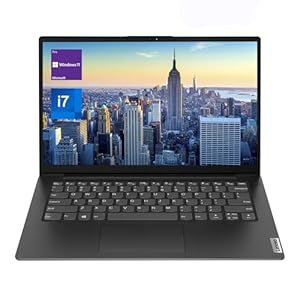
Lenovo V14 Gen 3 Business Laptop, 14″ FHD Display, i7-1255U, 24GB RAM, 1TB SSD, Wi-Fi 6, Bluetooth, HDMI, RJ-45, Webcam, Windows 11 Pro, Black
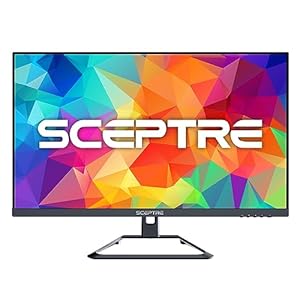
Sceptre 4K IPS 27″ 3840 x 2160 UHD Monitor up to 70Hz DisplayPort HDMI 99% sRGB Build-in Speakers, Black 2021 (U275W-UPT)


Sceptre Curved 24.5-inch Gaming Monitor up to 240Hz 1080p R1500 1ms DisplayPort x2 HDMI x2 Blue Light Shift Build-in Speakers, Machine Black 2025 (C255B-FWT240)
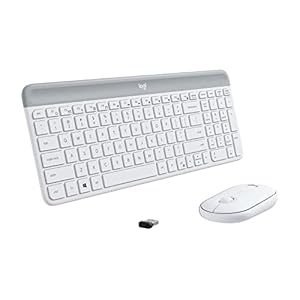
Logitech MK470 Slim Wireless Keyboard and Mouse Combo – Modern Compact Layout, Ultra Quiet, 2.4 GHz USB Receiver, Plug n’ Play Connectivity, Compatible with Windows – Off White
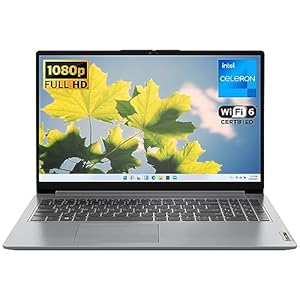
Lenovo IdeaPad 1 Student Laptop, Intel Dual Core Processor, 12GB RAM, 512GB SSD + 128GB eMMC, 15.6″ FHD Display, 1 Year Office 365, Windows 11 Home, Wi-Fi 6, Webcam, Bluetooth, SD Card Reader, Grey

Samsung 27′ T35F Series FHD 1080p Computer Monitor, 75Hz, IPS Panel, HDMI, VGA (D-Sub), AMD FreeSync, Wall Mountable, Game Mode, 3-Sided Border-Less, Eye Care, LF27T350FHNXZA